Catàleg de Fulles
PE001 Wawee Puerh Sheng cake 2020
PE001 Wawee Puerh Sheng cake 2020
Couldn't load pickup availability
| Format: | 200g compressed cake |
| Type: | Naturally aged raw puerh (sheng) |
| Origin: | Origin: Thailand > Chiang Rai > Wawee |
| Altitude: | 1000 m |
| Harvest: | 2020 |
| Style: | Modern |
| Grade (Sheet Size): | Fine |
| Trees: | Natural tree |
| Garden: | Natural |
| Fermentation: | Unfermented (sheng cha) |
| Storage: | Natural dry storage (Thailand) |
A wonderful modern Thai Sheng Pu Erh, harvested in small quantities. It has a light sweetness and fruity undertones. This tea comes from the small mountain village of Doi Wawee, in Chiang Rai province, northern Thailand, near Doi Mae Salong, known for its oolong, in the so-called "golden triangle" of tea cultivation, which describes the border region between Laos, Myanmar, and Thailand.
This 200g mini tea cake comes from real trees (not bushes), planted naturally with ample space and harvested sustainably. The leaves have been processed using traditional methods to highlight the typical structure of large trees and enhance the tea's aging potential.
Tasting:
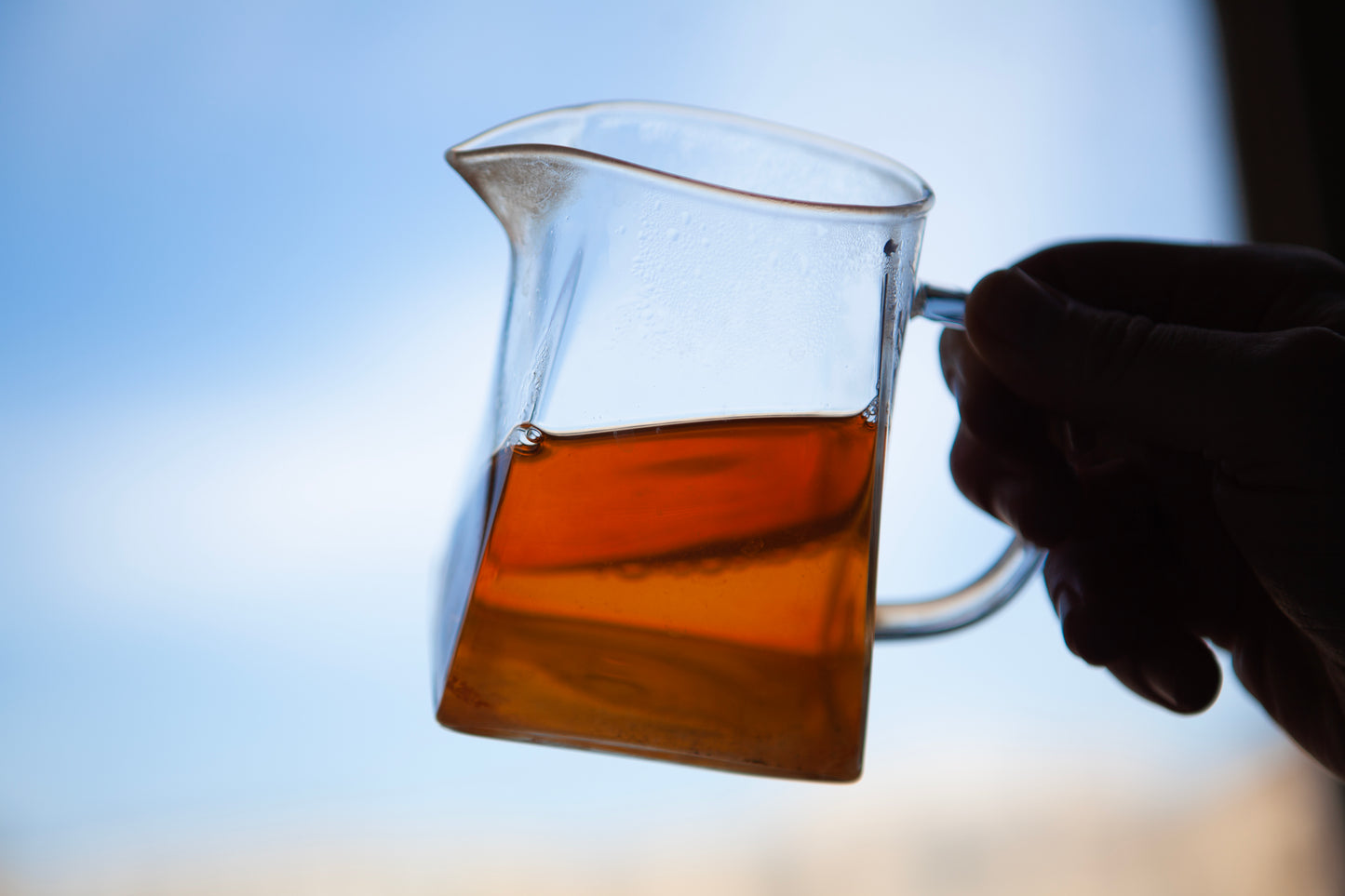
Notes: With 2 years of maturation, This robust tea has developed a woody flavour, with small hints of resin and honey, and powerful notes of wild camphor that immediately transport us to the universe of traditional puerh.
You can prepare it in a teapot, a gaiwan, or a similar vessel. The amount of leaves used will depend on the volume of the brew. We recommend approximately 5 to 9 grams per 100 ml, and infusion at 100°C.
Using water with low residue and chlorine promotes the infusion of the leaves.
We recommend steeping the leaves several times: Between 5 and 15 seconds for the first steep, and reducing to about 10 seconds for subsequent infusions.
Preservation:
When stored it in a well-ventilated container in a neutral-smelling, low-humidity, and cool environment, it will continue its fermentation process. If you intend to preserve it long-term, you can check it every 5 years to observe its evolution.
Compartir